How to Write a Covering Letter for a Short Story Submission
October 09, 2026 - Fiction


October 09, 2026 - Fiction

A publisher’s decision to take on an art book rarely rests on images alone. It rests on whether they can picture the finished object, the reader who will buy it and the route that book will take to the shop. Your task is not to prove you are talented. It is to show that you have thought as carefully about audience, format and sequence as you have about making the work.
Art book covers everything from a slim photobook to a 300-page monograph, a practical guide for painters, a survey of a neglected movement or an exhibition catalogue. Each has different costs, markets and expectations. Before you write a proposal, decide which one you are making. Write a single sentence that begins: “This is a book for people who…” If you cannot finish it, the proposal will struggle.
Ask yourself:
Comparison titles are not there to flatter you or to invite imitation. They map the market. Visit bookshops and libraries. Look at publishers’ catalogues online and in print. Note format, extent, price, publication date and the publisher’s list. If you cannot name three to five recent books that would sit near yours on a shelf, keep looking. When you can, write two lines on each: what it does well and how yours differs.
A proposal is not a portfolio with a covering letter. It is a working document that answers the questions an editor, sales team and designer will ask. Keep it clear, visual and short enough to read in one sitting. Most effective proposals run to around ten to twenty pages, with the strongest statement of the book on page one.
A useful structure:
An editor needs to see how images behave together. A portfolio shows single pictures. A proposal shows relationships, rhythm and scale. Prepare six to twelve spreads, not every page. Use real images at the right proportions, with rough typography and captions. Show a full-bleed opening, a quiet spread with white space, a sequence of smaller images and a text spread. Think about the turn of the page. What does the reader see first? What follows?
If you can, print a physical dummy. Folding and stapling pages reveals problems that a screen hides: images that fall into the gutter, captions that compete, a sequence that loses momentum. Label spreads clearly and keep the design simple. The point is to show the book, not to demonstrate your skills as a designer, unless you are also the designer.
Publishers are not interchangeable. A specialist photobook imprint, a museum publisher, an illustrated trade list and an academic press have different audiences, print runs and submission processes. Study their catalogues. Read their submission guidelines. If they do not accept unsolicited proposals, look for open calls, series editors or agents who handle illustrated books. A proposal tailored to six publishers is stronger than a generic mailing to fifty.
Name the editor or art director if the guidelines allow it. Explain in two or three sentences why this publisher suits this book. Refer to a specific title on their list. That small piece of homework shows you are not sending the same document to everyone.
Send exactly what is asked for, in the format requested. If guidelines say a PDF, do not send a link to a folder of raw files and expect the editor to assemble the book. A clean PDF with low-resolution images is usually enough for a first look; high-resolution files come later.
Silence is common. Publishing calendars are long, and proposals are often discussed at acquisitions meetings rather than answered immediately. If you receive a rejection, thank the editor and ask whether they would like to see future work. If you receive an offer, do not sign immediately. Contracts cover rights, territories, advance, royalties and reversion. Seek advice from a solicitor or a professional organisation before signing anything you do not understand.
Before you send your proposal, check six things: a one-sentence statement of the book; three to five comparison titles; a ten-to-twenty-page structure; six to twelve sample spreads; a tailored cover email; and a clear idea of who will buy it. Then send it to a short, well-researched list and keep a simple record of where and when. A publisher is looking for a book they can champion. Give them the evidence, the sequence and the confidence to do so.
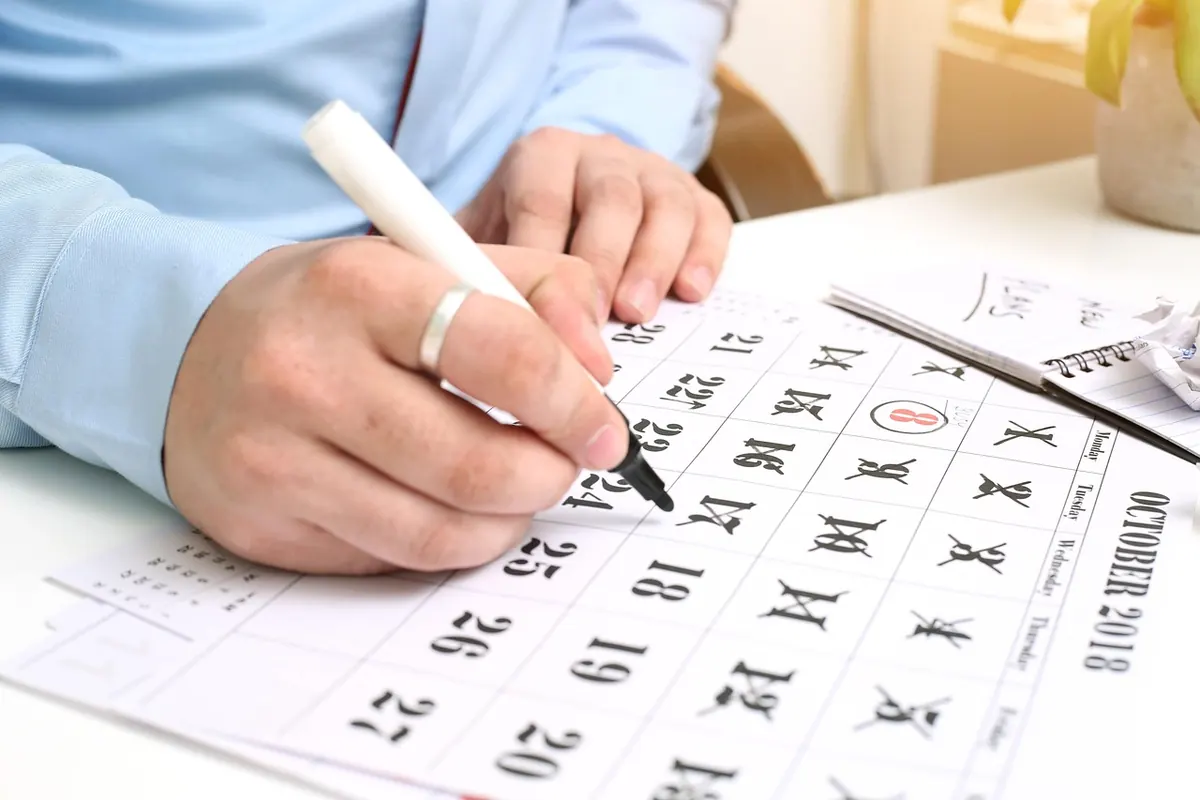
Photo: sanketkumar / Pixabay
A practical guide to writing the covering letter UK magazine editors actually want: structure, tone, credits, bio,...

A practical guide to preparing, pacing and performing poetry aloud, with advice on microphone technique, page layout...
Copyright © 2026 Muse Press. All Right Reserved.