How to Write a Covering Letter for a Short Story Submission
October 09, 2026 - Fiction


October 09, 2026 - Fiction

Most competition entries are not rejected because the poem is weak. They are set aside because the entry broke a rule the writer never read closely enough. A name left in the header of a blind-judged manuscript. An entry that landed the morning after the deadline. A poem that had already appeared on a personal blog. Any one of these can end an entry before a judge reads a line.
None of it is glamorous work. It is admin, and it takes twenty minutes. But admin is where competitions are won and lost.
Entry fees are normal. They fund administration, judging and prize money, and many well-regarded prizes could not run without them. The mistake is paying without checking exactly what the fee covers and what it does not.
Read the fee structure closely, because it varies more than you might expect:
Pay in a way you can trace, and keep the confirmation. Be cautious with any competition that takes your fee and then asks for a further payment to publish your poem, or whose only prize is publication. Some such schemes are legitimate, but they should say so plainly in the guidelines.
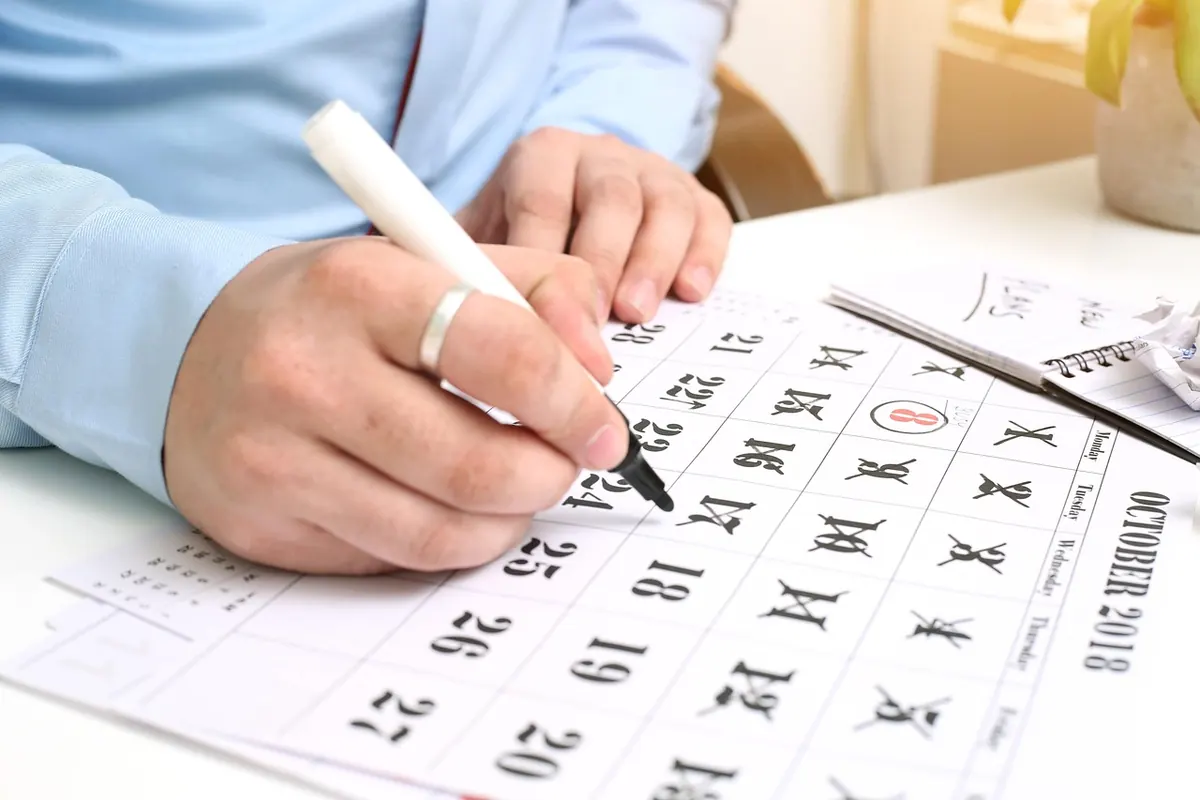
A closing date of midnight usually means midnight wherever the competition is based. Entering a New York competition from the UK gives you a few hours' grace. The reverse does not. Convert the time before you plan your evening.
Postal entries are their own trap. Some competitions accept the postmark date, meaning the envelope must be franked by the deadline. Others require the entry to be received by that date. That distinction has ended more entries than any question of quality.
And do not leave it to the last hour. Portals slow down under a rush of final submissions, payment systems time out, attachments fail. Set your own deadline two days early. If something goes wrong, you still have time to fix it and enter.
Many competitions judge blind, which means the judge sees the poem and nothing else. Anything that identifies you can disqualify the entry: your name in the header, your email in the footer, a filename containing your surname, even a document title stored in the file's properties. Clear the metadata if you can.
Beyond anonymity, follow the format exactly as asked. Where the guidelines are silent, keep it plain:
Then look at the file as a judge will see it, on screen, at the size they will read it. Typos in titles are the ones that sting.
Eligibility rules are often the last thing entrants read and the first thing organisers check. Common restrictions include age, nationality or residency, membership of the organising body, and whether you have won the competition before.
The rule that catches most poets is publication status. Many competitions require entries to be unpublished, and "unpublished" stretches further than writers assume. A poem posted on a personal blog, shared in full on social media, printed in a self-published pamphlet or read on local radio may well count as published. Some competitions list these exceptions; others simply say the poem must not have appeared anywhere, in any form.
Check the line count too. If the limit is forty lines, that usually means forty lines on the page, not forty plus title and epigraph. And if you are submitting simultaneously — which most competitions allow — withdraw the poem promptly once it is accepted elsewhere.
Many competitions ask for first publication rights to winning and commended poems. That is reasonable: they want to print the winners. Others ask for considerably more, up to and including copyright itself.
Before you tick the box, read the terms and work out what they mean for you. Will you still be able to include the poem in your own collection later? How long do the rights last? If the wording is unclear, or the transfer of rights looks sweeping, it is worth taking advice before agreeing to something you do not fully understand.
Ten minutes before you press send:
Then leave it alone. The work is done, and the poem will stand or fall on its own merits.
None of this will turn a weak poem into a winner. But it stops a strong poem losing on a technicality — and in a field where a judge may read hundreds of entries in a single sitting, that is worth the effort. Give them your best poem, and nothing else to think about.
Photo: Firmbee / Pixabay
A practical guide to writing the covering letter UK magazine editors actually want: structure, tone, credits, bio,...

A practical guide to preparing, pacing and performing poetry aloud, with advice on microphone technique, page layout...
Copyright © 2026 Muse Press. All Right Reserved.